



Overview
A series of congressional hearings in early March placed Homeland Security Secretary Kristi Noem under intense bipartisan scrutiny, with lawmakers raising concerns over immigration enforcement practices, use of federal resources, and leadership conduct. Within days of those hearings, President Donald Trump announced her removal from the Department of Homeland Security (DHS), marking one of the most abrupt cabinet-level changes of the administration’s second term.
The sequence of events—hearing, backlash, and reassignment—has drawn significant attention in Washington and raised broader questions about oversight, accountability, and the direction of federal immigration policy.
Full Story
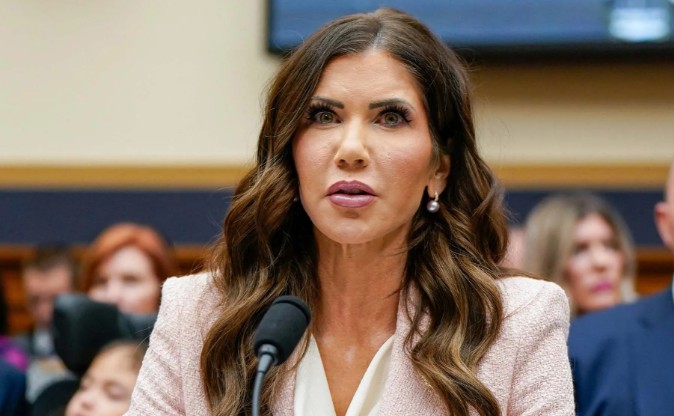
WASHINGTON — Homeland Security Secretary Kristi Noem faced a high-stakes congressional hearing in early March that quickly evolved into a defining moment for her tenure, culminating in her removal from office just days later amid mounting political and public pressure.
The hearing, held before the Senate Judiciary Committee as part of routine oversight of DHS, took on added significance as lawmakers used the forum to probe a series of controversies that had emerged in recent months.
Noem’s testimony marked her first major appearance before Congress following a wave of national criticism tied to immigration enforcement operations, internal department decisions, and allegations involving the use of federal funds.
A Hearing Dominated by Controversy
While framed as a standard oversight proceeding, the hearing quickly shifted toward pointed questioning from both Republican and Democratic senators.
Lawmakers pressed Noem on several key issues:
- The federal government’s response to fatal immigration enforcement incidents in Minneapolis
- Allegations of misuse of taxpayer funds, including spending on advertising and transportation
- Questions surrounding internal DHS leadership decisions and outside advisers
The broader direction of immigration enforcement under her leadership
According to reporting and hearing summaries, Noem faced multiple calls for resignation during the session, reflecting bipartisan concern about her continued leadership.
At times, the questioning became combative, with lawmakers challenging her responses and pressing for clearer explanations regarding department actions.
Minneapolis Incidents Take Center Stage
A major focus of the hearing involved two fatal shootings tied to federal immigration enforcement operations in Minneapolis earlier this year.
The incidents—both involving U.S. citizens—sparked national protests and calls for investigation. Critics argued that DHS under Noem had failed to provide clear and accurate information about what occurred.
During the hearing, lawmakers questioned:
- Whether the department prematurely characterized the incidents
- The accuracy of statements made by DHS leadership
- The level of oversight applied to enforcement operations
The controversy had already triggered political fallout prior to the hearing, including calls for impeachment from some members of Congress.
Noem defended the department’s actions, stating that DHS was responding to rapidly evolving situations and prioritizing officer safety. However, her explanations did little to ease concerns among several senators.
Financial and Ethics Questions Raised
In addition to enforcement practices, lawmakers raised concerns about DHS spending under Noem’s leadership.
Among the issues cited:
- More than $200 million in taxpayer-funded advertising campaigns
- Hundreds of millions of dollars allocated for private aircraft procurement and retrofitting
- Questions about whether promotional materials improperly featured the secretary
These concerns were part of a broader inquiry into whether DHS resources were being used appropriately and in accordance with federal guidelines.
Lawmakers also questioned reports of Noem’s relationship with a senior adviser and whether that relationship influenced departmental operations, though details remained limited in public testimony.
Leadership and Oversight Concerns
The hearing also reflected growing unease about leadership within DHS.
Several senators raised concerns about:
- The concentration of decision-making authority
- The role of outside advisers in operational matters
- The department’s communication strategy during crises
Observers noted that the hearing went beyond policy disagreements, touching on questions of governance and institutional integrity.
In particular, lawmakers emphasized the importance of maintaining public trust in DHS, an agency responsible for national security, disaster response, and immigration enforcement.
Immediate Political Fallout
The impact of the hearing was swift.
Within days, reports emerged that the White House was considering a leadership change at DHS. Shortly afterward, President Trump announced that Noem would be removed from her position and reassigned to a newly created diplomatic role.
She is scheduled to leave office on March 31, 2026, becoming the first cabinet official to exit the administration during its second term.
In announcing the move, the administration framed the decision as part of a broader restructuring effort, with Noem transitioning to serve as “Special Envoy for the Shield of the Americas.”
However, the timing—closely following the contentious hearing—has led many analysts to view the change as a direct response to political pressure.
Replacement and Transition
Following Noem’s removal, President Trump nominated Senator Markwayne Mullin to lead DHS.
The Senate has since moved to advance Mullin’s nomination, signaling a rapid transition in leadership at the department.
The change comes at a time when DHS is already facing operational challenges, including:
- Ongoing immigration enforcement controversies
- Staffing shortages in key agencies such as TSA
- Broader political disputes over federal funding and policy direction
- Broader Context: A Polarizing Tenure
Noem’s tenure as DHS secretary was marked by a shift toward more aggressive immigration enforcement policies.
Supporters argue that her approach prioritized border security and law enforcement, aligning with the administration’s broader policy goals.
Critics, however, contend that the strategy contributed to:
- Increased political polarization
- Strained relationships with local governments
- Questions about the use of force and federal authority
The Minneapolis incidents, in particular, became a turning point—drawing national attention and intensifying scrutiny of DHS operations.
Congressional Oversight Continues
Lawmakers have indicated that oversight of DHS will continue despite the leadership change.
Future hearings are expected to examine:
- The department’s handling of enforcement operations
- Use of federal funds and contracting practices
- Internal decision-making processes
Some members of Congress have also called for independent investigations into specific incidents, particularly those involving use of force.
Public Trust and Institutional Implications
The events surrounding Noem’s hearing and subsequent removal highlight broader challenges facing federal agencies.
For many observers, the episode raises questions about:
How oversight mechanisms function in practice
The balance between political leadership and institutional independence
The role of transparency in maintaining public confidence
DHS, as one of the largest and most complex federal agencies, operates at the intersection of national security and civil liberties—making leadership decisions especially consequential.
What Comes Next
As the transition to new leadership moves forward, several key issues remain unresolved:
Whether additional details will emerge about the controversies raised in the hearing
How DHS policy direction may shift under new leadership
The extent to which Congress will pursue further investigation
For now, the hearing stands as a pivotal moment—both in Noem’s tenure and in the broader debate over federal immigration policy and government accountability.
Bottom Line
Kristi Noem’s Senate hearing was intended as routine oversight but quickly evolved into a high-stakes examination of her leadership, ultimately contributing to her removal from office.
The episode underscores the power of congressional scrutiny in shaping executive branch leadership—and highlights the continuing tensions surrounding immigration policy, federal authority, and public trust in government institutions.