

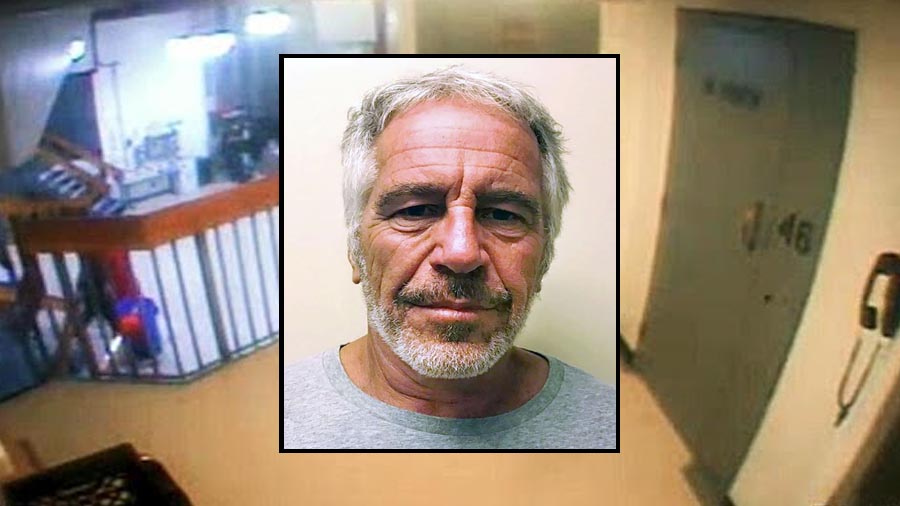


NEW YORK — Nearly seven years after convicted child sex trafficker Jeffrey Epstein was found dead in a Manhattan jail cell, newly publicized documents, surveillance material and a congressional demand for testimony are putting one of the officers on duty that night back at the center of the story.
The latest turn comes as the House Oversight Committee seeks testimony from Tova Noel, one of the correctional officers assigned to the Special Housing Unit at the Metropolitan Correctional Center when Epstein died on August 10, 2019. In a letter released by the committee, Chairman James Comer said investigators are examining both the circumstances of Epstein’s death and the government’s handling of related investigations, and asked Noel to appear in Washington for a transcribed interview on March 26.
The renewed attention follows a recent wave of reporting on material tied to the broader Epstein document release, including surveillance footage and records that have drawn new questions about prison procedures that night. Multiple outlets reported that the material appears to show guards near Epstein’s housing area without carrying out the required rounds reflected in official logs, adding to longstanding concerns about whether jail protocols were followed in the hours before he was discovered unresponsive.
Epstein’s death was officially ruled a suicide in 2019, a conclusion that remains the formal finding in the case. But the latest disclosures have intensified public interest because they focus less on broad speculation and more on documented failures inside the jail, including missed checks, disputed timeline details and the actions of staff assigned to watch him.
Noel and fellow officer Michael Thomas were previously accused by federal prosecutors of falsifying records to make it appear they had completed required checks during Epstein’s final hours, when prosecutors said they had not. Reuters reported at the time that both were charged in 2019, and later reported in 2022 that a judge dismissed the case after a deferred prosecution agreement. ABC News, in its recent recap of the House inquiry, also noted that the two officers had been accused of failing to complete their rounds and then falsifying records.
What is drawing especially close attention now are recent reports about details in the newly reviewed files concerning Noel. A CNN report, republished by several television stations, said the documents show cash deposits Noel made in the period surrounding Epstein’s death and revisit allegations that she and Thomas were supposed to check on Epstein every 30 minutes. The same report said Noel is now expected to face questions from congressional investigators about those details as part of the House review.
Recent coverage has also zeroed in on surveillance footage from inside the jail. The New York Post reported that video released as part of the document trove showed guards lingering near Epstein’s cell area rather than carrying out mandatory rounds around 3 a.m. Times of India, summarizing the same development, reported that the footage appears to contradict the officers’ documented account of regular checks. Vanity Fair, in a broader review of the final hours, described Noel as a central figure because she is believed to have been among the last staff members in position to see Epstein alive and said the footage has renewed debate about how closely officials tracked his condition that night.
The congressional inquiry appears aimed at narrowing those questions into a formal investigative record. The Oversight Committee’s letter says lawmakers are reviewing alleged mismanagement of the federal investigation into Epstein and Maxwell, as well as the operation of sex-trafficking rings and the government’s response. That broad scope suggests investigators are using Noel’s expected testimony not simply to revisit prison procedures, but to place the events of that night within a larger examination of how authorities handled Epstein-related matters before and after his death.
Even so, important limits remain on what can be concluded from the recent reports. The official manner of death has not changed, and the newly publicized material, as described in available reporting, raises questions about supervision and recordkeeping rather than establishing a new cause of death. What it does appear to do is sharpen scrutiny on whether required safeguards were ignored at a critical moment, and whether the public record from that night was complete and accurate.
For now, the next major development may come from Capitol Hill. If Noel appears as requested, lawmakers are expected to press her on the chronology of the overnight shift, the accuracy of log entries, and the significance of details surfaced in the newly examined files. If she does not appear voluntarily, recent reporting indicates committee leaders have signaled they are prepared to pursue compulsory process.
The case remains one of the most closely watched custodial death cases in the country, not because the official finding has changed, but because each new release of records appears to deepen questions about institutional failure inside one of the federal government’s most sensitive detention settings. For investigators, journalists and the public, the issue now is whether sworn testimony can finally clarify what happened during the hours when one of the most notorious defendants in America was supposed to be under watch.
Fresh scrutiny is falling on the final hours before Jeffrey Epstein’s death after newly highlighted records and video evidence renewed questions about what happened inside a federal jail unit that night — and about the conduct of one of the correctional officers assigned to monitor him. House investigators have asked former Metropolitan Correctional Center officer Tova Noel to give a transcribed interview on March 26, 2026, as Congress revisits the circumstances surrounding Epstein’s death in federal custody.