

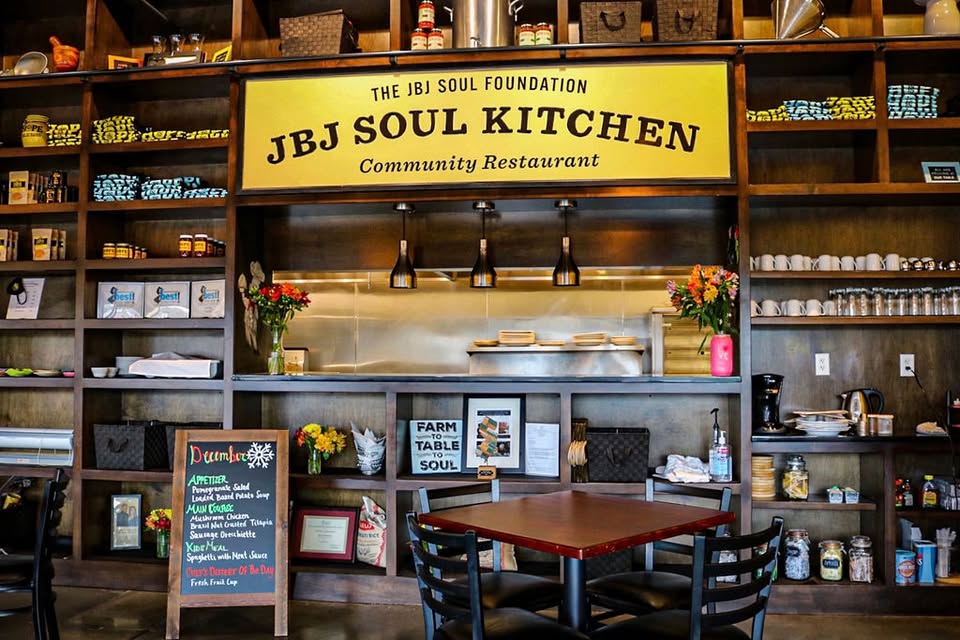


Founded by Jon Bon Jovi, nonprofit restaurant offers meals
Overview
In downtown Toms River, a temporary community restaurant backed by Jon Bon Jovi has become one of the most closely watched local initiatives in recent memory—both for its humanitarian impact and the public debate surrounding it.
The JBJ Soul Kitchen pop-up, operating inside the Ocean County Library Toms River Branch, is part of a broader nonprofit effort aimed at addressing food insecurity and connecting residents with social services. Since opening in early 2025, the location has served thousands of meals, provided referrals to housing and employment resources, and sparked an ongoing conversation about how communities respond to poverty and homelessness.
Recent developments over the past two months—including an extension of the pop-up through April 2026—have kept the issue front and center for Ocean County residents.
A Community Model Built on Dignity
The JBJ Soul Kitchen concept is rooted in a “pay-it-forward” system rather than a traditional pricing model. There are no listed menu prices. Instead, diners who can afford to contribute are encouraged to donate enough to cover their meal and help offset the cost for someone else. Those unable to pay can volunteer their time in exchange for a meal.
This approach, launched by the Jon Bon Jovi Soul Foundation in 2011, aims to reduce stigma while fostering a shared community experience between residents of different socioeconomic backgrounds.
At the Toms River pop-up location, the model has translated into measurable impact:
- More than 13,500 meals served
- Approximately 78% of meals provided to individuals in need
- Hundreds of referrals to local service providers
- Assistance with housing placements and job connections
Organizers emphasize that the goal extends beyond food, focusing on long-term stability and support. The pop-up has also distributed hygiene kits and connected residents with mental health and employment services.
Recent Developments (Past Two Months)
Extension Through Winter and Early Spring
In late January 2026, the Ocean County Library Commission voted to extend the pop-up’s operation through April 30, 2026, ensuring continued service during the coldest part of the year.
The decision came after strong advocacy from community members, library staff, and local partners who argued that the program filled a critical need during “Code Blue” winter conditions.
Supporters framed the extension as both a humanitarian necessity and a reflection of community values. Public comments cited compassion, safety during extreme weather, and the importance of maintaining accessible daytime resources for vulnerable residents.
Planned Closure Still Looms
Despite the extension, the pop-up remains temporary. Organizers have indicated they were unable to secure long-term approval to remain in the library space beyond the current agreement.
As of now, April 2026 represents the expected end of operations at the library location unless further agreements are reached.
Local Debate and Government Response
While many residents have praised the initiative, the pop-up has also generated sustained criticism from local officials—most notably Toms River Mayor Daniel Rodrick.
The mayor has expressed concerns that the location may attract unhoused individuals from outside the immediate area and place strain on downtown resources.
Critics have described the site as functioning more like a “soup kitchen” or warming center, raising questions about whether the library is an appropriate setting for such services.
At the same time, county officials and nonprofit leaders have pushed back on those claims, noting:
No verified spike in incidents tied to the pop-up
Documented outcomes including housing placements and employment assistance
The structured, dignity-focused nature of the program
This tension has made the Soul Kitchen pop-up a focal point for broader discussions about homelessness policy, public space usage, and local governance.
Community Response: Support and Concern
Public reaction across Ocean County has been notably divided—but engaged.
Strong Grassroots Support
Many residents have rallied behind the initiative, citing:
- The visible need for food and services in the downtown area
- The program’s emphasis on dignity and community integration
- The tangible outcomes, including meals served and people connected to housing
Community advocacy played a direct role in securing the recent extension, with residents voicing support through public meetings, social media, and direct outreach to officials.
Ongoing Concerns
Others in the community share concerns similar to those raised by local leadership:
- Perceived increases in loitering or visible homelessness
- Questions about whether services should be centralized in one location
- Concerns about the impact on nearby businesses and public spaces
These differing perspectives reflect a broader national conversation about how municipalities balance compassion, public safety, and resource allocation.
Context: A Larger Mission
The Toms River pop-up is part of a wider network of JBJ Soul Kitchen locations across New Jersey, including permanent sites in Red Bank and a resource center on Hooper Avenue in Toms River.
The organization’s mission is rooted in addressing the root causes of hunger and homelessness, not just the symptoms. Over the years, the foundation has:
- Served hundreds of thousands of meals
- Supported affordable housing initiatives
- Partnered with local nonprofits to provide wraparound services
The pop-up model itself is designed to be flexible—responding to emerging needs in specific communities.
Looking Ahead
As the April 2026 deadline approaches, several key questions remain:
- Will the pop-up receive another extension or relocate?
- Can a long-term solution be identified within Ocean County?
- How will local officials and community organizations collaborate moving forward?
For now, the JBJ Soul Kitchen pop-up continues to operate several days a week, offering meals and services while the broader conversation unfolds.
A Community at a Crossroads
The situation in Toms River highlights a familiar but complex reality for many communities: addressing visible need often brings both support and discomfort.
For some residents, the Soul Kitchen represents compassion in action—a place where neighbors help neighbors. For others, it raises difficult questions about infrastructure, planning, and long-term solutions.
What is clear is that the conversation is not ending anytime soon.
As one local official acknowledged in earlier discussions, the issue is “not about Bon Jovi,” but about how communities choose to respond to growing challenges around food insecurity and homelessness.
Visit the JBJ Soul Kitchen Toms River location online here.