

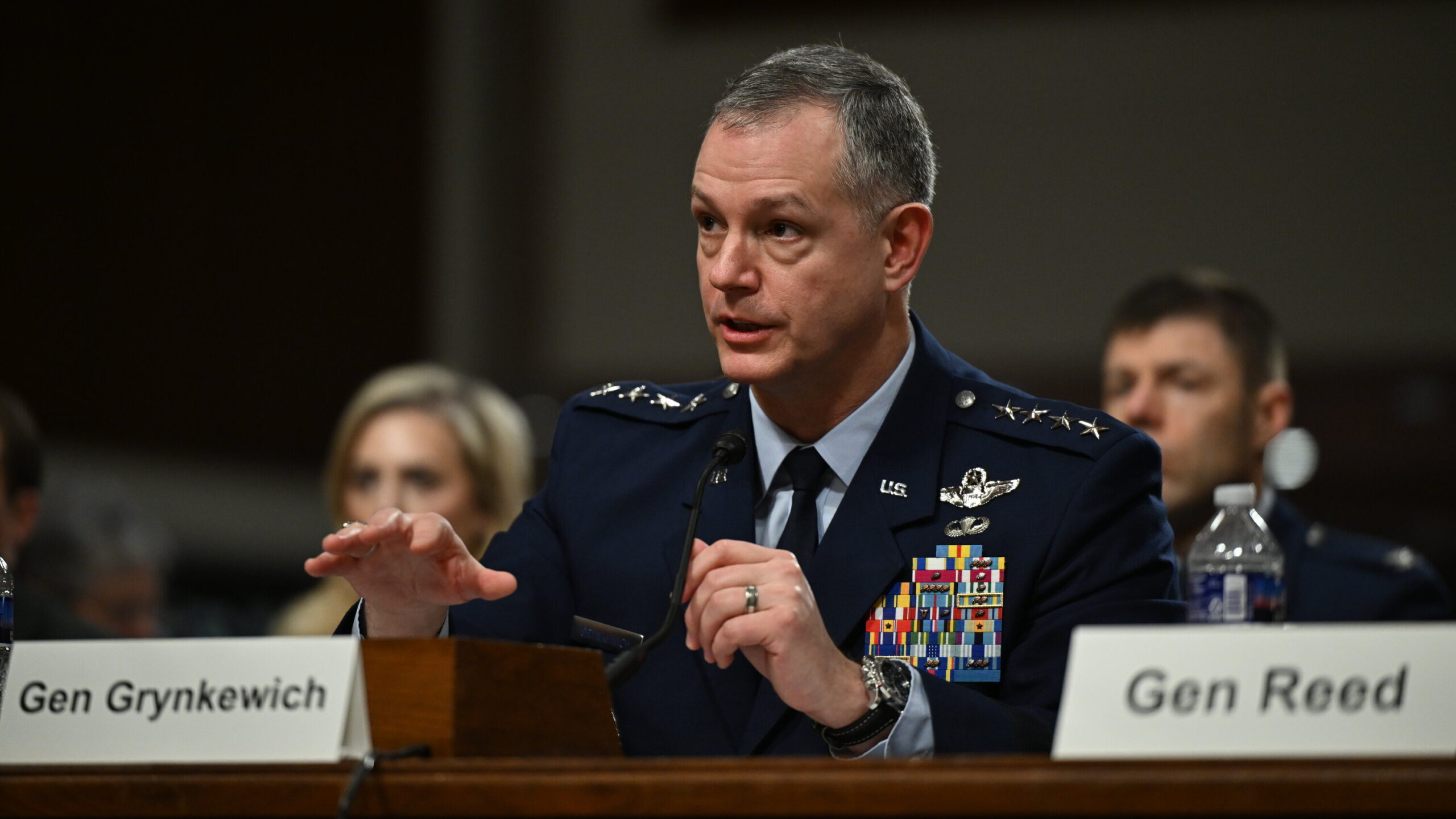


Alliance cites changing security conditions as mission transitions, raising questions about regional stability and future U.S. involvement
What We Know Right Now
- North Atlantic Treaty Organization has begun withdrawing forces from Iraq
- The move follows a reassessment of security conditions and mission objectives
- NATO’s Iraq mission focused on training and advising Iraqi forces
- Officials say the transition will be phased and coordinated with the Iraqi government
- Analysts warn the withdrawal could impact regional stability and counterterrorism efforts
Full Story
The North Atlantic Treaty Organization (NATO) has announced the beginning of a withdrawal of its mission in Iraq, signaling a significant shift in Western military involvement in the region after years of advisory and training operations.
The NATO Mission Iraq (NMI), established in 2018, was designed to support Iraqi security forces through training, institutional reform, and capacity building following the territorial defeat of ISIS. Unlike earlier combat operations, the mission focused primarily on advising Iraqi defense institutions and helping prevent the resurgence of extremist groups.
In a statement, NATO officials said the withdrawal reflects evolving conditions on the ground and a transition toward Iraqi self-sufficiency in maintaining security.
Mission Background
The NATO presence in Iraq was part of a broader international effort to stabilize the country after years of conflict, including the rise and fall of ISIS.
The mission included:
- Training Iraqi military and police forces
- Advising defense ministries on reform and governance
- Supporting long-term institutional stability
At its peak, NATO’s footprint remained relatively limited compared to earlier U.S.-led operations, emphasizing a non-combat role.
Why NATO Is Withdrawing
Officials have cited several factors behind the decision:
Changing Security Landscape
Iraqi forces have taken on greater responsibility for internal security operations, reducing reliance on international training missions.
Strategic Realignment
NATO is adjusting its global posture amid shifting geopolitical priorities, including tensions in Eastern Europe and the Middle East.
Regional Instability
Ongoing conflicts and rising tensions—including the current Iran-related conflict—have complicated the operational environment and security considerations for foreign personnel.
Broader Context: Middle East Tensions
The withdrawal comes at a time of heightened instability across the region.
Escalating tensions involving Iran, along with broader geopolitical shifts, have increased concerns about:
- Proxy conflicts
- Attacks on military installations
- Disruptions to global energy routes
Iraq remains strategically positioned between competing regional powers, making it a focal point for both cooperation and conflict.
Concerns Over Security Vacuum
Some analysts and policymakers have expressed concern that NATO’s departure could create a security gap.
Key risks include:
- Potential resurgence of extremist groups
- Reduced coordination between Iraqi and Western forces
- Increased influence from regional actors
Critics argue that while Iraqi forces have improved, continued international support remains important for long-term stability.
Iraqi Government Response
Iraqi officials have generally supported the transition, emphasizing national sovereignty and the growing capability of domestic security forces.
The withdrawal is expected to be carried out in coordination with Iraqi leadership to ensure continuity in security operations.
Implications for the United States
Although NATO is withdrawing its formal mission, the United States may maintain a limited presence in Iraq for counterterrorism and advisory purposes.
The shift reflects a broader U.S. strategy of reducing large-scale military deployments while maintaining targeted capabilities in key regions.
What Happens Next
The withdrawal will occur in phases, with NATO personnel gradually departing and responsibilities transitioning fully to Iraqi forces.
Key developments to watch include:
The Bigger Picture
Changes in security conditions on the ground
Any increase in insurgent activity
Future U.S. or coalition involvement
Regional responses from neighboring countries
- Changes in security conditions on the ground
- Any increase in insurgent activity
- Future U.S. or coalition involvement
- Regional responses from neighboring countries
NATO’s withdrawal from Iraq marks the end of a significant chapter in the alliance’s post-ISIS mission.
While it reflects progress in Iraqi security capabilities, it also raises important questions about the long-term balance between sovereignty, stability, and international support in a region that remains strategically vital.
Updates
This is a developing story. Ocean County Press will provide updates as additional details emerge regarding the timeline and scope of the withdrawal.