



Utah Man Accused of $70K Fake Attorney Scam Targeting Ocean County Residents
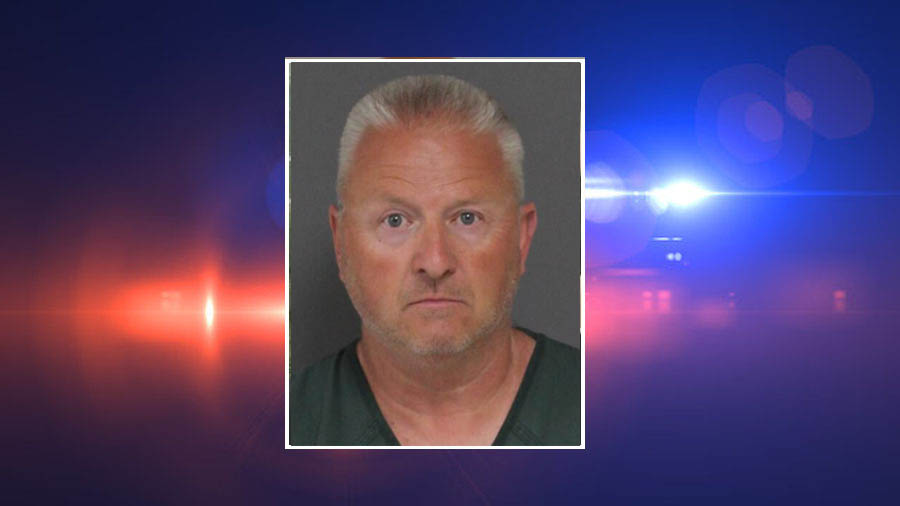
TOMS RIVER, N.J. — Ocean County authorities have filed additional charges against a Utah man accused of posing as an attorney and collecting large sums of money from local residents, expanding what prosecutors say is a troubling fraud case that now spans multiple victims, several years and roughly $70,000 in alleged losses. Jersey Shore Online reported Monday that David T. Schlendorf, 54, of Holladay, Utah, has been charged with four counts of theft by deception and five counts of unauthorized practice of law.
According to the report, investigators say the case first came into focus after a Toms River resident hired Schlendorf in March 2025 for legal representation and paid him about $10,000. Authorities allege Schlendorf falsely presented himself as a licensed attorney even though he had been disbarred in New Jersey in December 2022.
The investigation did not stop there. Jersey Shore Online reported that additional detective work by the Ocean County Prosecutor’s Office Economic Crime Squad and Toms River Police found five more individuals who retained Schlendorf for legal services between January 2023 and September 2025, paying a combined total of about $60,000. In all, the alleged losses reached around $70,000, turning what may have first looked like a single complaint into a broader Ocean County consumer-fraud case.
Prosecutor Bradley D. Billhimer said in a statement that investigators suspected there could be more victims and that the inquiry appears to have confirmed those concerns. That is an important detail because cases involving professional impersonation often expand as public reporting prompts other victims to come forward. People who believe they were misled may not realize immediately that they are part of a larger pattern.
From a community standpoint, the case lands hard because it strikes at trust. Hiring a lawyer usually happens during some of the most stressful moments in a person’s life — family disputes, financial hardship, legal threats or difficult transitions. When someone seeking help instead becomes the victim of deception, the damage goes beyond money. It can disrupt cases, delay access to legitimate counsel and deepen the emotional toll on already vulnerable people.
That is why this story matters beyond the courtroom. It is not only a fraud case. It is a reminder of how important credentials, licensing and verification are in any professional relationship, especially one involving legal representation. Ocean County residents, like consumers anywhere, rely on the assumption that someone offering legal services has the authority and standing to do so. When that assumption is abused, confidence in the system can take a hit.
The report notes that Schlendorf was initially arrested in Toms River on Oct. 7, 2025, then lodged in the Ocean County Jail before later being released under New Jersey’s bail reform guidelines. The newly announced charges significantly broaden the public picture of the case. Authorities said he has since been served by summons and is expected to appear in Ocean County Superior Court. As always, the charges are accusations, and he is presumed innocent unless proven guilty.
There is also a broader civic takeaway here. Ocean County’s Economic Crime Squad and local police did not simply handle the initial complaint and move on. They continued investigating, identified additional alleged victims and publicly signaled that others with information should contact law enforcement. That kind of follow-through is essential in white-collar and deception cases, where the harm can be diffuse and spread over long periods.
For the Toms River area and the county as a whole, the case serves as both warning and reassurance: warning that professional-sounding fraud can target local residents in high-stakes moments, and reassurance that when patterns emerge, investigators can piece them together. In an era when scams increasingly cross state lines and professional boundaries, that matters.
The case will now move into the court system, but its local significance is already clear. Residents are being reminded to verify credentials, ask hard questions and report suspected fraud early. And for Ocean County, the new charges represent another example of how financial crime — even when it appears polished or professional on the surface — can hit close to home.