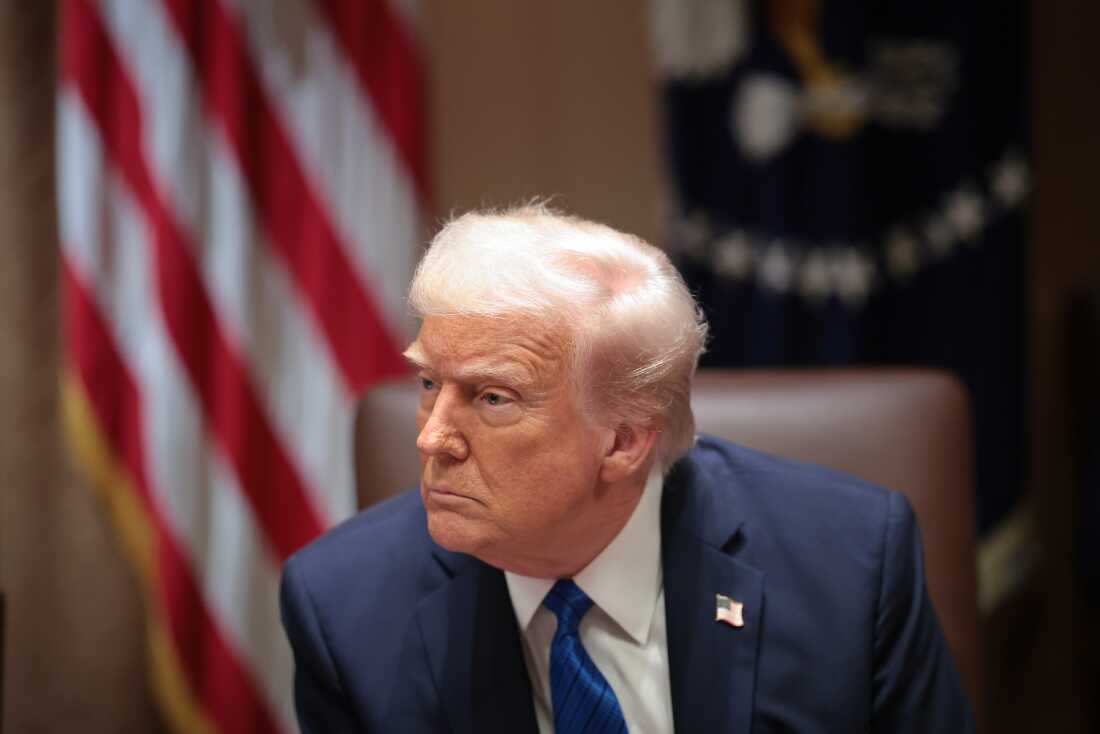
WASHINGTON, DC - MARCH 25: U.S. President Donald Trump listens to a reporter's question during an Ambassador Meeting in the Cabinet Room of the White House on March 25, 2025 in Washington, DC. During the meeting, Trump answered questions from reporters on the news that Jeffrey Goldberg, the editor-in-chief of The Atlantic magazine, was accidentally added to a Signal group chat of top administration officials, where highly sensitive national security information was discussed. (Photo by Win McNamee/Getty Images)
WASHINGTON — Newly surfaced records and internal government documents are reigniting scrutiny over President Donald Trump’s handling of classified materials after leaving office, offering fresh insight into both the scope of the documents involved and the questions surrounding his intent in retaining them.
The latest developments stem from previously undisclosed Justice Department materials reviewed by members of Congress, which have been made public in recent days as part of a broader political and legal dispute over the now-dismissed classified documents case. According to lawmakers and reporting across multiple outlets, the records include a 2023 prosecution memo outlining evidence gathered during the federal investigation led by Special Counsel Jack Smith.
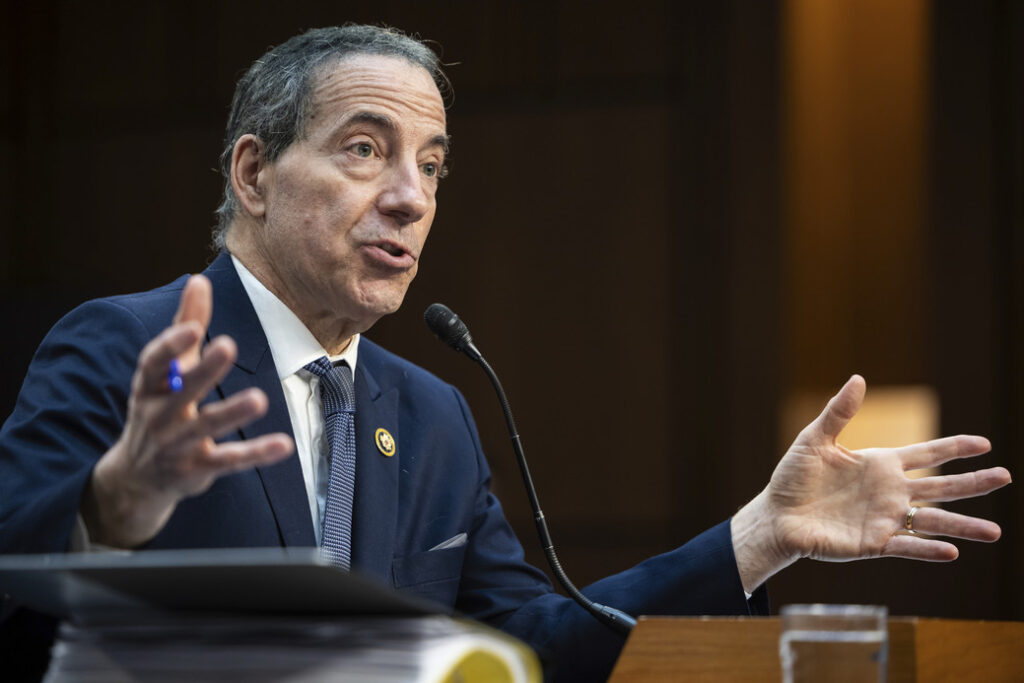
At the center of the renewed controversy are allegations that Trump retained highly sensitive national security documents not only improperly, but potentially for reasons tied to personal or business interests. Jamie Raskin, the top Democrat on the House Judiciary Committee, said the documents raise “serious national security concerns,” including evidence suggesting that some of the materials were connected to Trump’s post-presidential business dealings.
Among the most closely scrutinized revelations is an incident described in the memo in which Trump allegedly showed a classified map to individuals aboard his private plane in 2022, after leaving office. The map, described in reporting as highly sensitive, was allegedly shared with aides and associates during a flight to his Bedminster, New Jersey property.
The memo also indicates that some of the documents retained by Trump were so restricted that only a handful of senior U.S. officials were authorized to view them, underscoring their sensitivity. In addition, investigators reportedly found that certain materials were stored alongside unrelated personal and business records, and in at least one instance, documents were digitized and stored on an aide’s device and cloud system for an extended period.
These disclosures have revived debate over Trump’s motivations for keeping the documents. Raskin and other Democrats have suggested the evidence points to potential misuse of classified information for personal benefit, though that theory was not ultimately included in the original criminal indictment.
Trump and his allies have strongly rejected the allegations, dismissing them as politically motivated and accusing critics of mischaracterizing the evidence. The Justice Department has also pushed back on claims of wrongdoing tied to the release of the materials, framing the dispute as part of a broader partisan clash over the investigation.
The renewed attention comes despite the fact that the federal case itself was effectively halted. Trump had originally been charged in 2023 with willful retention of national defense information and obstruction of efforts to recover the documents. However, the case was dismissed in 2024 after a judge ruled that the special counsel’s appointment was improper, and the Justice Department later dropped its appeal following Trump’s return to office.
Even with the case no longer active, the release of new records has kept the issue alive in Washington, where lawmakers are now seeking additional information about the contents of the documents, who had access to them, and whether further oversight is warranted. Some members of Congress have called for the full release of investigative materials, including portions of the special counsel’s report that remain under seal.
Legal experts note that while the latest disclosures do not reopen the criminal case, they could shape public and political understanding of the events, particularly as questions persist about how classified information was handled after Trump left the White House.
For now, the controversy underscores a broader reality: although the legal proceedings have largely concluded, the political and national security implications of the classified documents case continue to unfold, driven by newly surfaced evidence and ongoing congressional scrutiny.