



Overview
The U.S. Senate is preparing for a final confirmation vote on Markwayne Mullin to serve as Secretary of the Department of Homeland Security, following a sharply contested hearing that underscored divisions over his qualifications, temperament, and approach to federal law enforcement.
Nominated by Donald Trump to replace outgoing Secretary Kristi Noem, Mullin has moved forward with unified Republican backing, positioning him on the verge of confirmation as of March 23, 2026.
Full Story
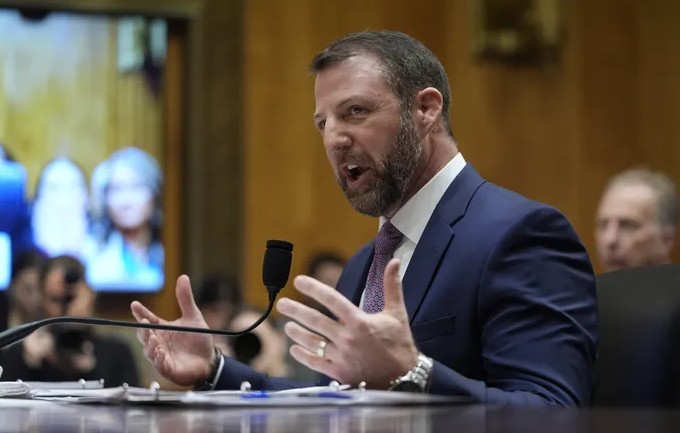
WASHINGTON — The Senate is poised to vote on the confirmation of Markwayne Mullin as the next Secretary of Homeland Security, following a March 18 hearing that exposed deep partisan divisions and raised questions about leadership, temperament, and the future direction of one of the federal government’s most critical agencies.
Mullin’s nomination comes in the immediate aftermath of Kristi Noem’s departure, creating a rapid transition at the Department of Homeland Security (DHS) during a period marked by operational strain, immigration enforcement controversy, and ongoing federal funding challenges.
A Contentious Confirmation Hearing
The confirmation hearing before the U.S. Senate was, by most accounts, combative and highly scrutinized.
Democratic senators pressed Mullin on a range of issues, including:
His past public statements and confrontational exchanges
Questions about his management style and readiness to lead a large federal agency
His views on immigration enforcement and use of federal authority
Concerns about maintaining the independence of DHS operations
Several lawmakers cited prior incidents in which Mullin engaged in heated rhetoric, arguing that the role of DHS secretary requires a measured and disciplined leadership approach.
At the same time, Republicans largely rallied behind Mullin, framing him as a decisive leader capable of restoring order and operational clarity within DHS.
Mullin’s Defense: Leadership and Accountability
During the hearing, Mullin defended both his record and his temperament, emphasizing his background in business and public service.
He argued that:
- His experience as a business owner has prepared him to manage complex organizations
- Strong leadership is necessary to address ongoing challenges at DHS
- The department requires a focus on accountability and operational efficiency
Mullin acknowledged that his communication style has at times been direct, but he rejected characterizations that he would be unable to lead effectively.
Instead, he framed his approach as one rooted in “clarity and accountability,” suggesting that DHS would benefit from more decisive leadership.
Immigration Policy at the Forefront
As expected, immigration policy dominated much of the questioning.
Mullin signaled alignment with the administration’s enforcement priorities, indicating support for:
Increased border security measures
Expanded enforcement operations within the United States
Greater coordination between federal and local agencies
However, he stopped short of outlining specific policy changes, emphasizing that he would work within existing legal frameworks and consult with Congress on major initiatives.
Democratic lawmakers expressed concern that his approach could intensify tensions around immigration enforcement, particularly in light of recent controversies involving DHS operations.
Broader DHS Challenges
The hearing also highlighted the broader challenges facing DHS at the time of Mullin’s nomination.
These include:
- Staffing shortages within agencies such as the Transportation Security Administration
- Ongoing debates over immigration enforcement practices
Coordination with state and local governments - Public confidence in federal law enforcement institutions
Lawmakers from both parties acknowledged the complexity of the role, though they differed sharply on whether Mullin is the right candidate to address those challenges.
Republican Support Drives Momentum
Despite the contentious nature of the hearing, Mullin’s nomination has advanced with strong Republican support.
Party leadership has indicated confidence in his ability to:
Align DHS operations with administration priorities
Provide consistent leadership following recent turnover
Navigate the department through ongoing policy and operational challenges
As a result, the Senate is expected to move forward with a confirmation vote, where Mullin is widely anticipated to receive sufficient support for approval.
Democratic Opposition and Concerns
Democratic senators have remained largely opposed to Mullin’s nomination, citing concerns that extend beyond policy disagreements.
Key issues raised include:
- Questions about his temperament and ability to manage a large federal workforce
- Concerns about politicization within DHS
- The need for a leader who can build bipartisan trust
Some lawmakers have argued that the department requires a stabilizing figure following recent controversies, rather than a nominee perceived as polarizing.
Context: A Rapid Leadership Transition
Mullin’s nomination follows the departure of Kristi Noem, whose tenure ended after a series of high-profile controversies and a contentious Senate hearing.
The rapid transition has added urgency to the confirmation process, as DHS continues to manage a range of critical responsibilities, including:
- Border security and immigration enforcement
- Disaster response and emergency management
- Transportation security and infrastructure protection
Observers note that leadership continuity is particularly important given the department’s broad mandate and operational complexity.
Public and Institutional Implications
The confirmation process has drawn attention not only for its immediate political implications but also for what it signals about the direction of federal law enforcement policy.
For supporters, Mullin represents:
- A shift toward more assertive leadership
- Greater alignment with administration priorities
- A focus on enforcement and operational efficiency
For critics, his nomination raises concerns about:
- The tone and culture within DHS
- The balance between enforcement and civil liberties
- The potential for increased political influence over agency operations
Overview
The U.S. Senate is preparing for a final confirmation vote on Markwayne Mullin to serve as Secretary of the Department of Homeland Security, following a sharply contested hearing that underscored divisions over his qualifications, temperament, and approach to federal law enforcement.
Nominated by Donald Trump to replace outgoing Secretary Kristi Noem, Mullin has moved forward with unified Republican backing, positioning him on the verge of confirmation as of March 23, 2026.
Article
WASHINGTON — The Senate is poised to vote on the confirmation of Markwayne Mullin as the next Secretary of Homeland Security, following a March 18 hearing that exposed deep partisan divisions and raised questions about leadership, temperament, and the future direction of one of the federal government’s most critical agencies.
Mullin’s nomination comes in the immediate aftermath of Kristi Noem’s departure, creating a rapid transition at the Department of Homeland Security (DHS) during a period marked by operational strain, immigration enforcement controversy, and ongoing federal funding challenges.
A Contentious Confirmation Hearing
The confirmation hearing before the U.S. Senate was, by most accounts, combative and highly scrutinized.
Democratic senators pressed Mullin on a range of issues, including:
- His past public statements and confrontational exchanges
- Questions about his management style and readiness to lead a large federal agency
- His views on immigration enforcement and use of federal authority
- Concerns about maintaining the independence of DHS operations
Several lawmakers cited prior incidents in which Mullin engaged in heated rhetoric, arguing that the role of DHS secretary requires a measured and disciplined leadership approach.
At the same time, Republicans largely rallied behind Mullin, framing him as a decisive leader capable of restoring order and operational clarity within DHS.
Mullin’s Defense: Leadership and Accountability
During the hearing, Mullin defended both his record and his temperament, emphasizing his background in business and public service.
He argued that:
- His experience as a business owner has prepared him to manage complex organizations
- Strong leadership is necessary to address ongoing challenges at DHS
- The department requires a focus on accountability and operational efficiency
Mullin acknowledged that his communication style has at times been direct, but he rejected characterizations that he would be unable to lead effectively.
Instead, he framed his approach as one rooted in “clarity and accountability,” suggesting that DHS would benefit from more decisive leadership.
Immigration Policy at the Forefront
As expected, immigration policy dominated much of the questioning.
Mullin signaled alignment with the administration’s enforcement priorities, indicating support for:
- Increased border security measures
- Expanded enforcement operations within the United States
- Greater coordination between federal and local agencies
However, he stopped short of outlining specific policy changes, emphasizing that he would work within existing legal frameworks and consult with Congress on major initiatives.
Democratic lawmakers expressed concern that his approach could intensify tensions around immigration enforcement, particularly in light of recent controversies involving DHS operations.
Broader DHS Challenges
The hearing also highlighted the broader challenges facing DHS at the time of Mullin’s nomination.
These include:
- Staffing shortages within agencies such as the Transportation Security Administration
- Ongoing debates over immigration enforcement practices
- Coordination with state and local governments
- Public confidence in federal law enforcement institutions
Lawmakers from both parties acknowledged the complexity of the role, though they differed sharply on whether Mullin is the right candidate to address those challenges.
Republican Support Drives Momentum
Despite the contentious nature of the hearing, Mullin’s nomination has advanced with strong Republican support.
Party leadership has indicated confidence in his ability to:
- Align DHS operations with administration priorities
- Provide consistent leadership following recent turnover
- Navigate the department through ongoing policy and operational challenges
As a result, the Senate is expected to move forward with a confirmation vote, where Mullin is widely anticipated to receive sufficient support for approval.
Democratic Opposition and Concerns
Democratic senators have remained largely opposed to Mullin’s nomination, citing concerns that extend beyond policy disagreements.
Key issues raised include:
- Questions about his temperament and ability to manage a large federal workforce
- Concerns about politicization within DHS
- The need for a leader who can build bipartisan trust
Some lawmakers have argued that the department requires a stabilizing figure following recent controversies, rather than a nominee perceived as polarizing.
Context: A Rapid Leadership Transition
Mullin’s nomination follows the departure of Kristi Noem, whose tenure ended after a series of high-profile controversies and a contentious Senate hearing.
The rapid transition has added urgency to the confirmation process, as DHS continues to manage a range of critical responsibilities, including:
- Border security and immigration enforcement
- Disaster response and emergency management
- Transportation security and infrastructure protection
Observers note that leadership continuity is particularly important given the department’s broad mandate and operational complexity.
Public and Institutional Implications
The confirmation process has drawn attention not only for its immediate political implications but also for what it signals about the direction of federal law enforcement policy.
For supporters, Mullin represents:
- A shift toward more assertive leadership
- Greater alignment with administration priorities
- A focus on enforcement and operational efficiency
For critics, his nomination raises concerns about:
- The tone and culture within DHS
- The balance between enforcement and civil liberties
- The potential for increased political influence over agency operations
What Comes Next
As of March 23, 2026, the Senate is preparing for a final confirmation vote.
If confirmed, Mullin will assume leadership of DHS at a time of:
- Heightened political scrutiny
- Ongoing operational challenges
- Continued debate over immigration and national security policy
His early actions as secretary will likely be closely watched by both lawmakers and the public, particularly in areas where policy and enforcement intersect.
Bottom Line
The confirmation hearing for Markwayne Mullin highlighted the stakes surrounding leadership of the Department of Homeland Security, with lawmakers sharply divided over his qualifications and approach.
With Republican support driving the nomination forward, Mullin now stands on the verge of confirmation—poised to take on one of the most demanding roles in the federal government amid ongoing scrutiny and significant policy challenges.
As of March 23, 2026, the Senate is preparing for a final confirmation vote.
If confirmed, Mullin will assume leadership of DHS at a time of:
Heightened political scrutiny
Ongoing operational challenges
Continued debate over immigration and national security policy
His early actions as secretary will likely be closely watched by both lawmakers and the public, particularly in areas where policy and enforcement intersect.
Overview
The U.S. Senate is preparing for a final confirmation vote on Markwayne Mullin to serve as Secretary of the Department of Homeland Security, following a sharply contested hearing that underscored divisions over his qualifications, temperament, and approach to federal law enforcement.
Nominated by Donald Trump to replace outgoing Secretary Kristi Noem, Mullin has moved forward with unified Republican backing, positioning him on the verge of confirmation as of March 23, 2026.
Article
WASHINGTON — The Senate is poised to vote on the confirmation of Markwayne Mullin as the next Secretary of Homeland Security, following a March 18 hearing that exposed deep partisan divisions and raised questions about leadership, temperament, and the future direction of one of the federal government’s most critical agencies.
Mullin’s nomination comes in the immediate aftermath of Kristi Noem’s departure, creating a rapid transition at the Department of Homeland Security (DHS) during a period marked by operational strain, immigration enforcement controversy, and ongoing federal funding challenges.
A Contentious Confirmation Hearing
The confirmation hearing before the U.S. Senate was, by most accounts, combative and highly scrutinized.
Democratic senators pressed Mullin on a range of issues, including:
- His past public statements and confrontational exchanges
- Questions about his management style and readiness to lead a large federal agency
- His views on immigration enforcement and use of federal authority
- Concerns about maintaining the independence of DHS operations
Several lawmakers cited prior incidents in which Mullin engaged in heated rhetoric, arguing that the role of DHS secretary requires a measured and disciplined leadership approach.
At the same time, Republicans largely rallied behind Mullin, framing him as a decisive leader capable of restoring order and operational clarity within DHS.
Mullin’s Defense: Leadership and Accountability
During the hearing, Mullin defended both his record and his temperament, emphasizing his background in business and public service.
He argued that:
- His experience as a business owner has prepared him to manage complex organizations
- Strong leadership is necessary to address ongoing challenges at DHS
- The department requires a focus on accountability and operational efficiency
Mullin acknowledged that his communication style has at times been direct, but he rejected characterizations that he would be unable to lead effectively.
Instead, he framed his approach as one rooted in “clarity and accountability,” suggesting that DHS would benefit from more decisive leadership.
Immigration Policy at the Forefront
As expected, immigration policy dominated much of the questioning.
Mullin signaled alignment with the administration’s enforcement priorities, indicating support for:
- Increased border security measures
- Expanded enforcement operations within the United States
- Greater coordination between federal and local agencies
However, he stopped short of outlining specific policy changes, emphasizing that he would work within existing legal frameworks and consult with Congress on major initiatives.
Democratic lawmakers expressed concern that his approach could intensify tensions around immigration enforcement, particularly in light of recent controversies involving DHS operations.
Broader DHS Challenges
The hearing also highlighted the broader challenges facing DHS at the time of Mullin’s nomination.
These include:
- Staffing shortages within agencies such as the Transportation Security Administration
- Ongoing debates over immigration enforcement practices
- Coordination with state and local governments
- Public confidence in federal law enforcement institutions
Lawmakers from both parties acknowledged the complexity of the role, though they differed sharply on whether Mullin is the right candidate to address those challenges.
Republican Support Drives Momentum
Despite the contentious nature of the hearing, Mullin’s nomination has advanced with strong Republican support.
Party leadership has indicated confidence in his ability to:
- Align DHS operations with administration priorities
- Provide consistent leadership following recent turnover
- Navigate the department through ongoing policy and operational challenges
As a result, the Senate is expected to move forward with a confirmation vote, where Mullin is widely anticipated to receive sufficient support for approval.
Democratic Opposition and Concerns
Democratic senators have remained largely opposed to Mullin’s nomination, citing concerns that extend beyond policy disagreements.
Key issues raised include:
- Questions about his temperament and ability to manage a large federal workforce
- Concerns about politicization within DHS
- The need for a leader who can build bipartisan trust
Some lawmakers have argued that the department requires a stabilizing figure following recent controversies, rather than a nominee perceived as polarizing.
Context: A Rapid Leadership Transition
Mullin’s nomination follows the departure of Kristi Noem, whose tenure ended after a series of high-profile controversies and a contentious Senate hearing.
The rapid transition has added urgency to the confirmation process, as DHS continues to manage a range of critical responsibilities, including:
- Border security and immigration enforcement
- Disaster response and emergency management
- Transportation security and infrastructure protection
Observers note that leadership continuity is particularly important given the department’s broad mandate and operational complexity.
Public and Institutional Implications
The confirmation process has drawn attention not only for its immediate political implications but also for what it signals about the direction of federal law enforcement policy.
For supporters, Mullin represents:
- A shift toward more assertive leadership
- Greater alignment with administration priorities
- A focus on enforcement and operational efficiency
For critics, his nomination raises concerns about:
- The tone and culture within DHS
- The balance between enforcement and civil liberties
- The potential for increased political influence over agency operations
What Comes Next
As of March 23, 2026, the Senate is preparing for a final confirmation vote.
If confirmed, Mullin will assume leadership of DHS at a time of:
- Heightened political scrutiny
- Ongoing operational challenges
- Continued debate over immigration and national security policy
His early actions as secretary will likely be closely watched by both lawmakers and the public, particularly in areas where policy and enforcement intersect.
Bottom Line
The confirmation hearing for Markwayne Mullin highlighted the stakes surrounding leadership of the Department of Homeland Security, with lawmakers sharply divided over his qualifications and approach.
With Republican support driving the nomination forward, Mullin now stands on the verge of confirmation—poised to take on one of the most demanding roles in the federal government amid ongoing scrutiny and significant policy challenges.
The confirmation hearing for Markwayne Mullin highlighted the stakes surrounding leadership of the Department of Homeland Security, with lawmakers sharply divided over his qualifications and approach.
With Republican support driving the nomination forward, Mullin now stands on the verge of confirmation—poised to take on one of the most demanding roles in the federal government amid ongoing scrutiny and significant policy challenges.