

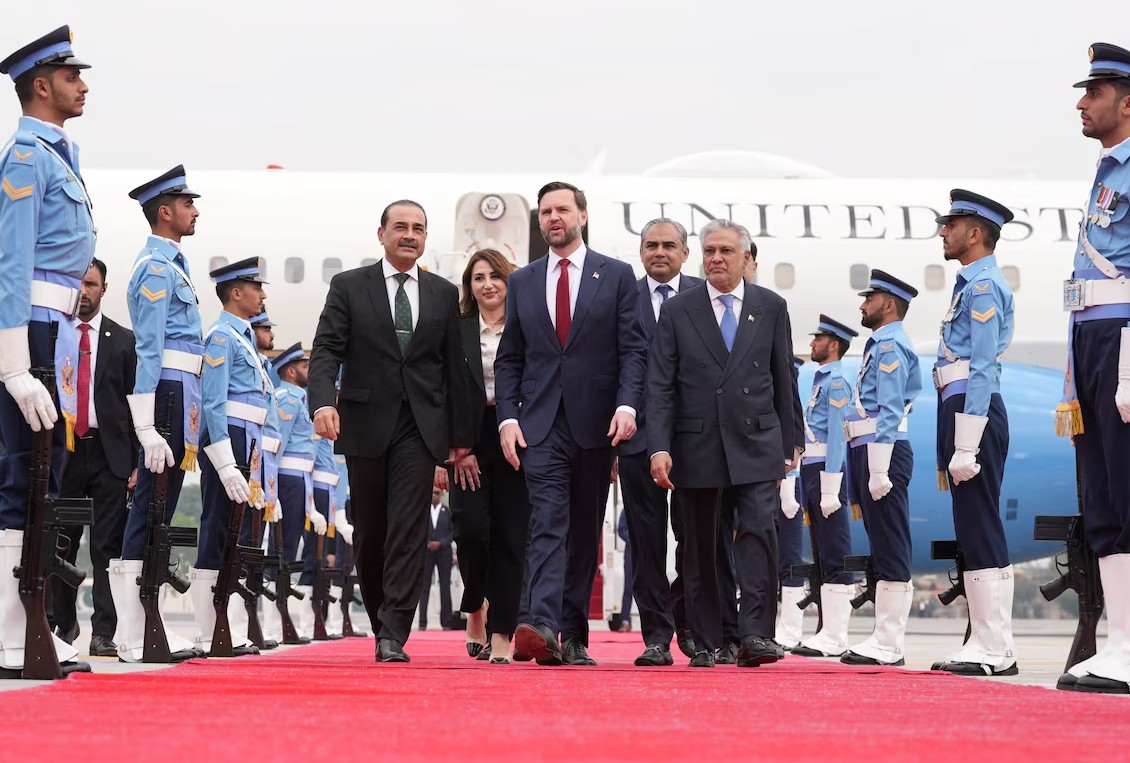


The United States and Iran opened direct talks Saturday in Islamabad, marking the highest-level face-to-face negotiations between the two countries in more than 50 years. AP reported the talks followed a fragile two-week ceasefire and were made possible only after earlier indirect discussions and mediation by Pakistan.
The diplomacy is significant, but the ceasefire underneath it still looks weak. AP reported that Iran entered the talks demanding compensation for wartime damage and movement on frozen Iranian funds, while the U.S. remains focused on reopening Hormuz and curbing Iran’s nuclear posture. Reuters separately reported that an Iranian source claimed Washington had agreed to unfreeze Iranian money held abroad, but U.S. officials denied that any such agreement had been reached.
That gap matters because it shows the two sides are still publicly describing the talks in different ways. Tehran is signaling that economic relief and reparations are part of the discussion. Washington is signaling that strategic and maritime access issues come first. If both positions hold, the negotiations may continue, but the chances of an early durable settlement remain uncertain.
The talks are also taking place with unresolved violence still around the edges of the war. AP reported that Israeli strikes on Hezbollah targets in Lebanon continued even as the broader U.S.-Iran ceasefire framework took hold, giving Tehran a ready argument that the regional military picture is not yet stable.
For now, the Islamabad meeting is a breakthrough in form, not necessarily in substance. The talks have started. That alone is news. But the deeper question is whether either side is prepared to give up the leverage it still has.